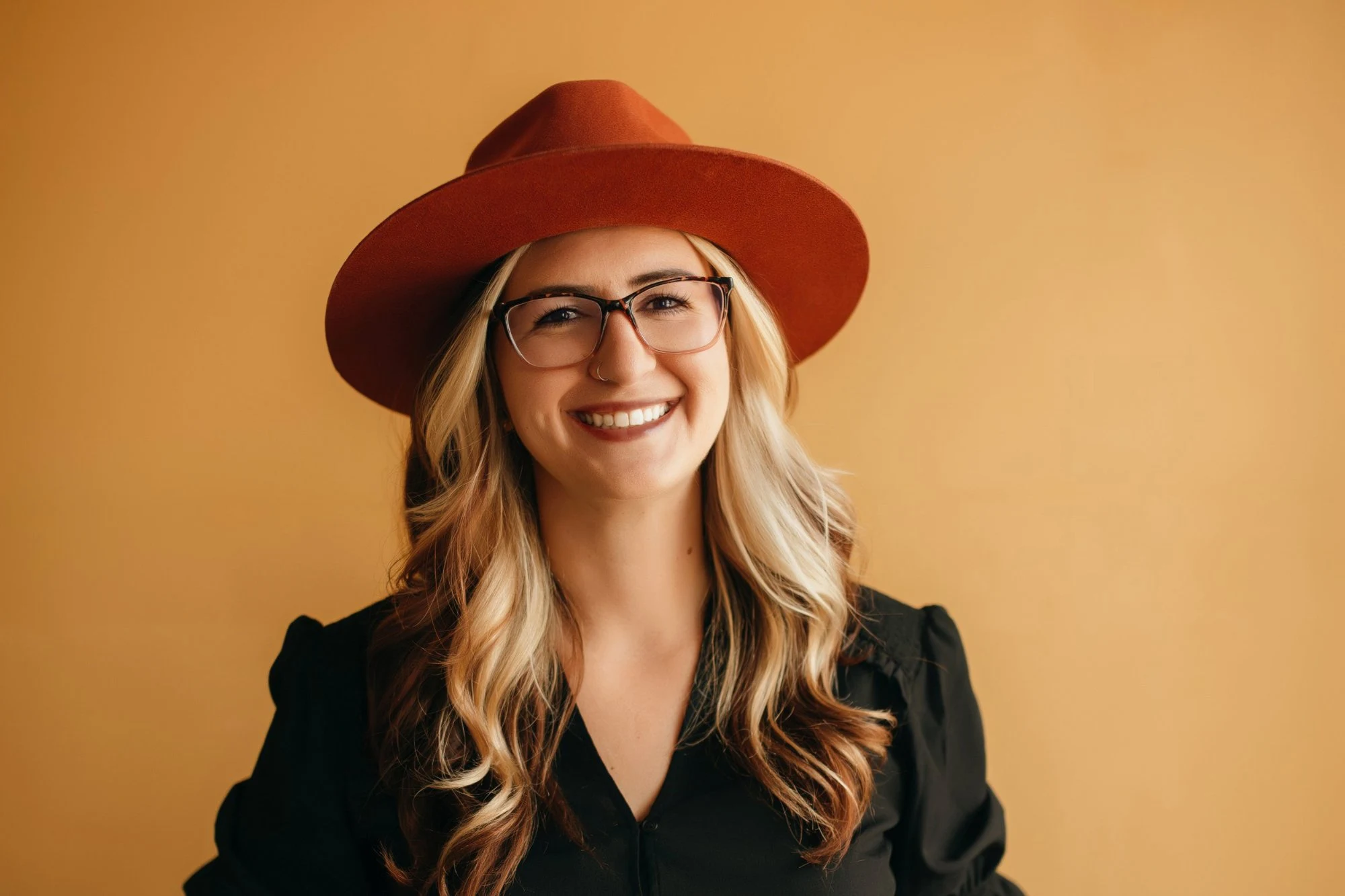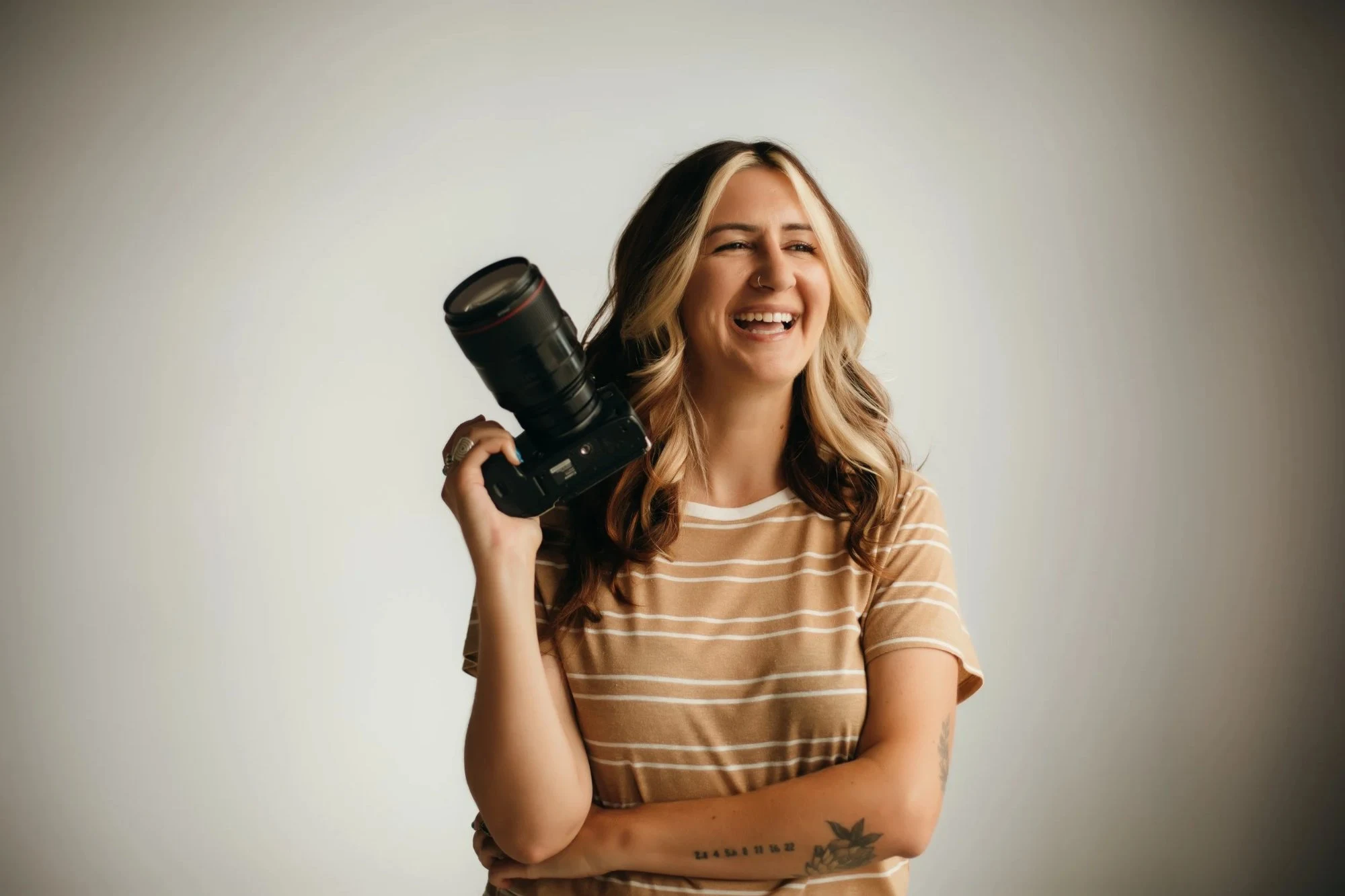
Built on
real deadlines.
The kind of background that makes you faster, quieter, and better at finding the frame before it disappears.
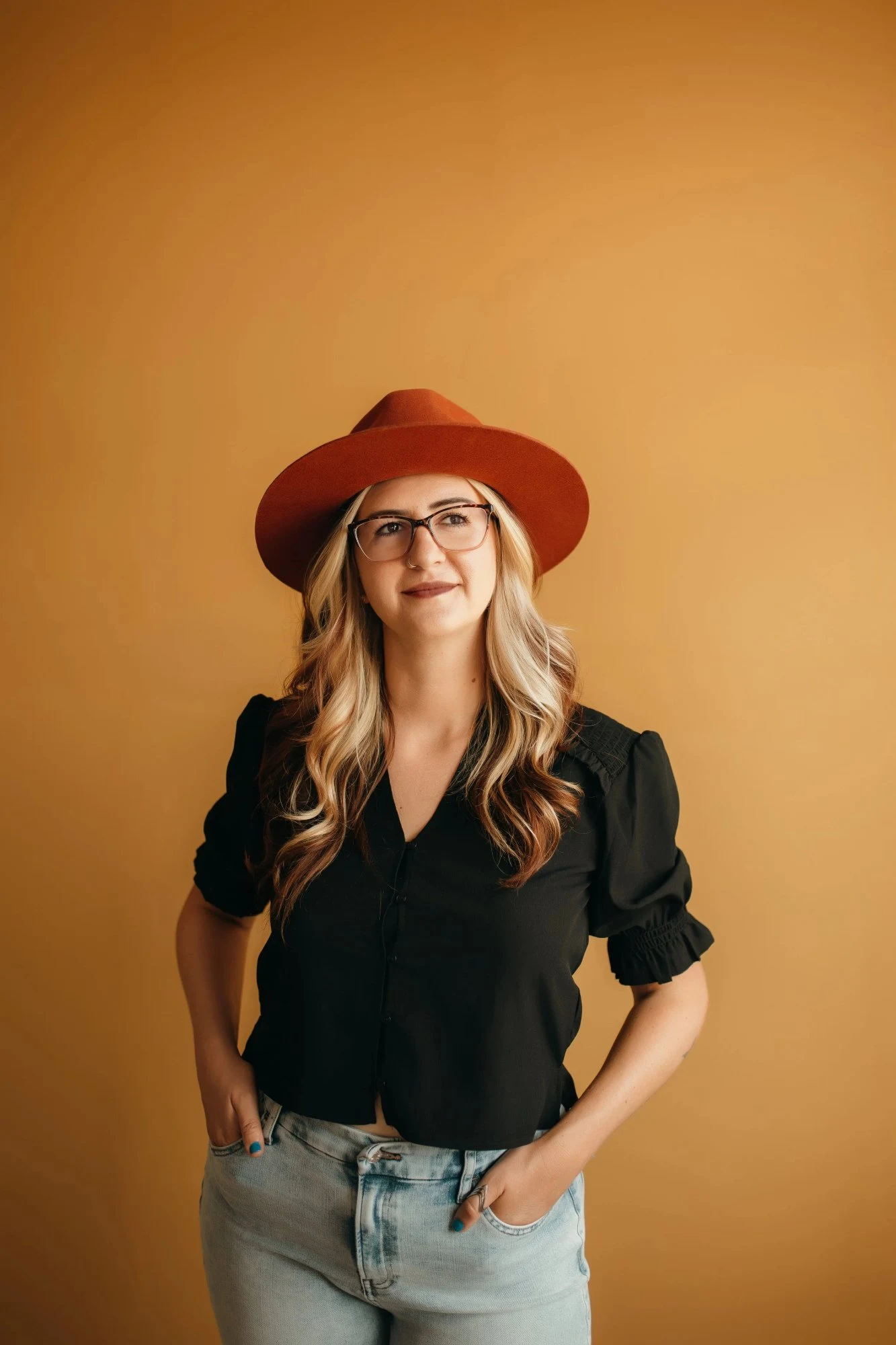
I picked up a camera seriously in college and never really put it down. My first real jobs were as a photojournalist, covering breaking news, community stories, local politics. The kind of work where you have one chance to get the shot and no one's going to slow down for you.
That training wired something into how I work. I don't wait for moments. I anticipate them. I read rooms before I walk into them. I know where the light is going to fall before the subject does. It's not something I think about consciously anymore. It just happens.
Eventually I made the move from staff photojournalist to independent photographer. The goal was simple: do the same quality of work, but for clients who needed it, companies, nonprofits, families, and individuals who deserved images that actually looked like the real thing.
What I quickly found was that most event photography was leaving an enormous amount on the table. Stiff, posed, lit like a passport photo. Events are alive. They have energy and emotion and stories happening everywhere you look. My job was to show that.
Along the way, images I shot were featured in The New York Times, TIME Magazine, and ABC News. Not because I was chasing press placements, but because the work was strong enough that editors started finding it. Those features confirmed something I already believed: the photojournalism approach, documentary, authentic, unposed, produces images that hold up under scrutiny. Images people actually want to look at.
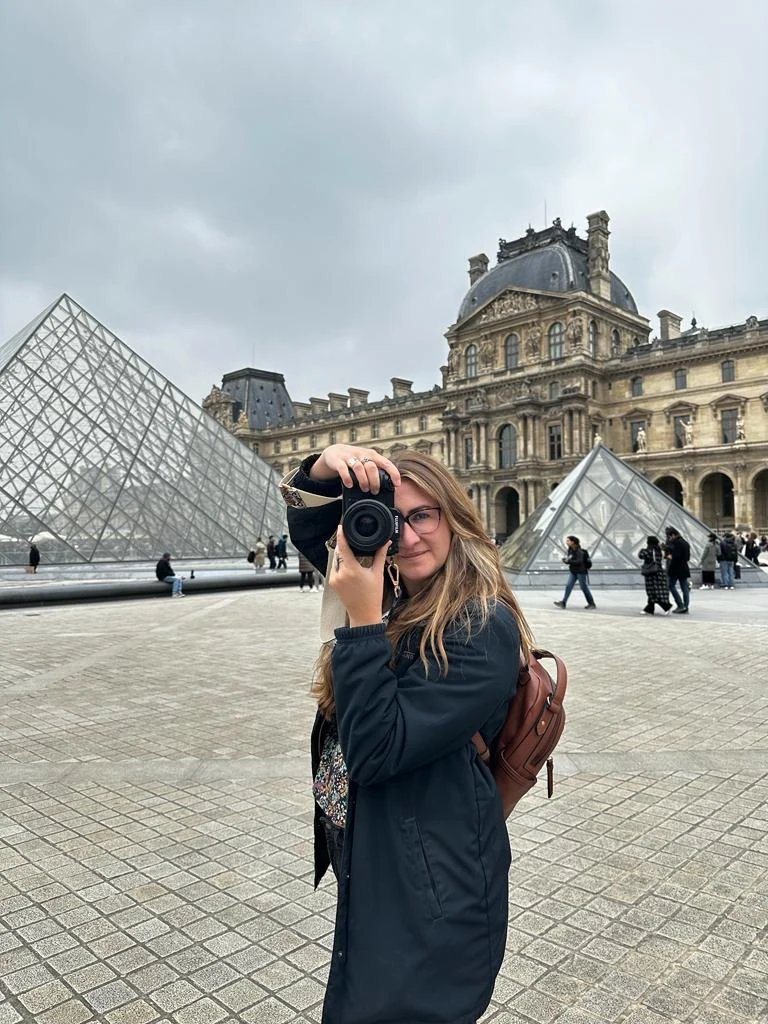
These days I split my time between corporate events and conferences, nonprofit galas and fundraisers, personal branding, and headshots. I still show up 15 minutes early to every job. I still walk the room before anyone else arrives. Some habits from the newsroom are worth keeping.